
Thoughtful design, intelligent use of space and a focus on what really matters.
In a world of constantly evolving workplace trends, new technologies and changing expectations, it’s easy to assume that creating a better office means adding more. More furniture, more technology, more meeting rooms and more design features.
But sometimes, the most effective spaces are those that take a more considered approach.
At CID Workspace, we believe that great office design isn’t necessarily about how much you put into a space. It’s about how well every element works together. By prioritising functionality, flexibility and the needs of the people using the space, it’s possible to create workplaces that feel both effortless and inspiring.
Simplicity Doesn’t Have to Mean Minimalism
Minimalist office design was once synonymous with white walls, glass partitions, clean-lined furniture and almost clinical levels of tidiness. While these elements still have their place, contemporary workplace design has moved towards a more balanced approach.
Today’s most successful offices combine simplicity with warmth, personality and character. Natural materials, layered textures, carefully considered lighting and subtle colour palettes can create inviting environments without overwhelming the space.
The aim is no longer to strip everything back for the sake of appearances. Instead, it’s about creating visual harmony, reducing unnecessary distractions and allowing the architecture, materials and individual character of a workplace to shine.
A thoughtfully designed office should feel calm and cohesive, but never cold or impersonal.
Making Every Square Metre Work Harder
With businesses increasingly questioning how their office space is used, intelligent space planning has become more important than ever.
Rather than automatically allocating space to traditional banks of desks and enclosed meeting rooms, workplace design now considers how different areas can support a variety of activities throughout the working day.
Flexible furniture, multifunctional spaces and carefully planned layouts allow workplaces to adapt to changing demands without compromising on comfort or aesthetics.
A breakout area might accommodate informal meetings, collaborative working and social interaction. A thoughtfully positioned acoustic pod could provide privacy without the need to construct an additional room.
It’s not simply about fitting more into less space. It’s about ensuring that the available space genuinely supports the way a business operates.
Less Clutter, More Clarity
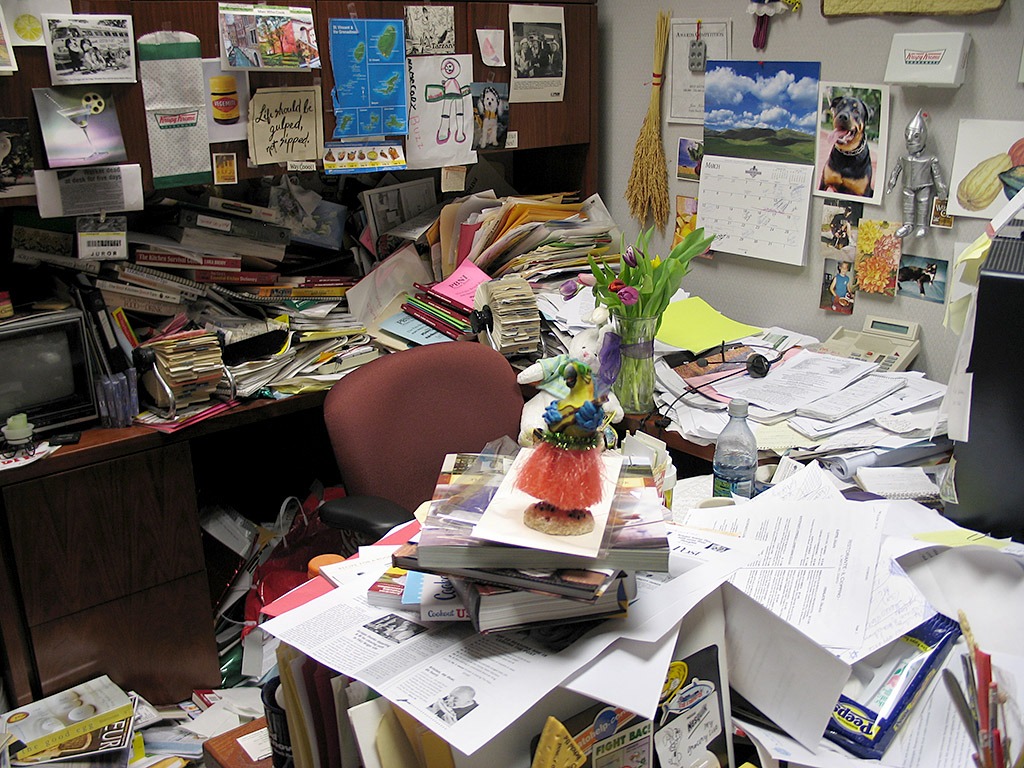
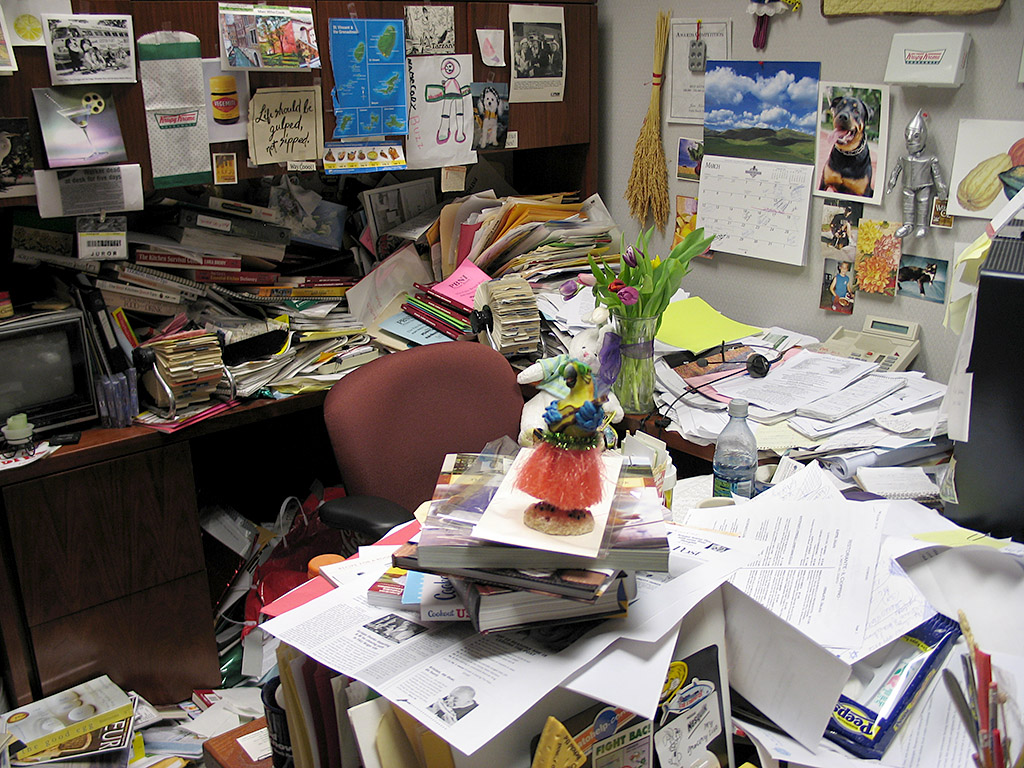
Technology has transformed the way we work, yet the need for practical, well-organised workspaces remains as important as ever.
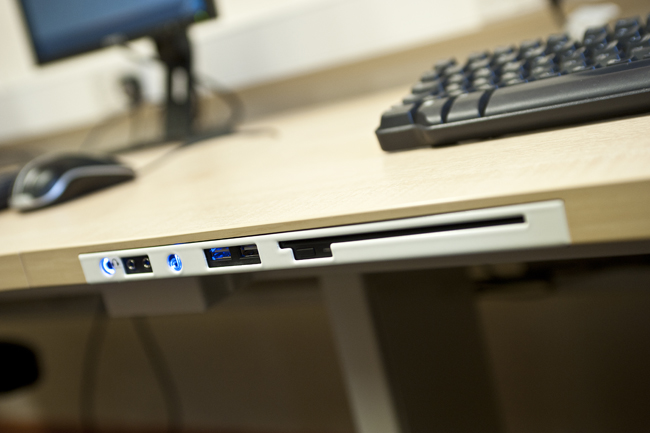
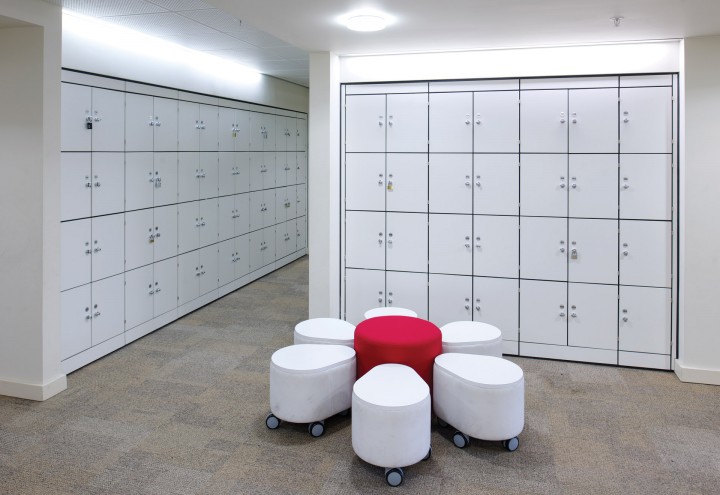
Integrated power solutions, discreet cable management and thoughtfully designed storage help create uncluttered environments where technology supports the working day rather than dominating it.
At the same time, carefully positioned screens, acoustic treatments and designated quiet areas can help reduce visual and auditory distractions.
The result is a workplace that feels organised and intuitive, allowing employees to concentrate, collaborate and move between tasks more comfortably.
Designing for People, Not Just Appearance
Perhaps one of the most significant shifts in workplace design is the growing recognition that a successful office must do more than look impressive.
Wellbeing, comfort and accessibility should be considered from the earliest stages of the design process.
Natural light, good acoustics, ergonomic furniture and appropriate ventilation all contribute to the overall experience of a workplace. Equally, creating a balance between collaborative areas and quieter spaces allows employees to choose environments that suit different activities and individual preferences.
An office can be visually striking, but if it doesn’t support the people working within it, the design has missed its purpose.
The most effective workplaces achieve a careful balance between aesthetics and everyday practicality.
A More Considered Approach to Sustainability
The principle of ‘less is more’ also has an important role to play in sustainable workplace design.
Before introducing new materials or replacing existing elements, it’s worth considering what can be retained, refurbished or repurposed.
Existing furniture might be reconfigured or reupholstered. Partitioning could be adapted rather than replaced. Durable finishes and timeless materials may offer better long-term value than products selected purely to reflect a passing trend.
By making considered decisions about materials, specifications and the lifespan of a workspace, businesses can reduce unnecessary waste while creating interiors that remain relevant for years to come.
Sometimes, the most sustainable design decision is simply to make better use of what is already there.
Creating Space for What Matters
Ultimately, successful workplace design isn’t measured by the number of features included or the latest trends incorporated.
It’s about understanding how a business works, identifying what its people need and creating an environment that supports both.
At CID Workspace, our approach combines creative design with practical expertise, helping businesses make informed decisions about their working environments. From complete office refurbishments to carefully targeted improvements, we focus on spaces that are functional, welcoming and built to last.
Because when every element has a purpose, less really can be more.
Thinking about making better use of your workplace?
Whether you’re planning a complete office refurbishment or looking to maximise the potential of your existing space, our team can help you explore the possibilities.
Contact CID Workspace to discuss your next project.